Stephanie Hirmer
Co-founder
LinkedIn
About Rural Senses
Founded in 2019, Rural Senses grew from Cambridge research into a way for NGOs and funders to understand community needs and measure what changes.
Company figures reported in October 2026. Explore our case studies.
Rural Senses addresses two recurring problems:
At the University of Cambridge, Dr. Stephanie Hirmer was developing the User-Perceived Value methodology, a way to listen to people and understand their needs.
Stephanie, now an Associate Professor at the University of Oxford, brought years of experience in academia, philanthropic foundations and international development organisations.
The research explored how to understand people's needs, priorities and challenges at scale, and how to track the way these change over time. Measuring those changes would give organisations a practical way to see what their work was changing.
2019
Rural Senses was founded in 2019 as a University of Cambridge spinout to help organisations assess community needs and measure impact at scale.
People from the Cambridge ecosystem joined the team early, including researchers from the university's Language Technology Lab. The team brought in artificial intelligence years before ChatGPT.
2020
In 2020, Rural Senses and researchers from Cambridge and Oxford published the core algorithm at EMNLP, one of the leading conferences in natural language processing. The paper showed how language processing could help analyse community interviews at scale for sustainable development.
Step by step, they automated the full impact measurement process, from designing the questions to analysing the answers and reporting the results, while keeping research quality high and protecting the data of everyone who speaks to them.
Today
The team grew alongside its clients, including Mastercard Foundation, The Freedom Fund, Fondation Botnar and Vitol Foundation. Rural Senses has now processed more than 283,000 interviews in over 80 languages across 20 countries, and has measured the impact of more than $800 million in philanthropic funding.
Rural Senses has never raised outside investment. The founders chose to stay self-funded so the company stays accountable to its impact mission and to the communities it listens to.
The company still does what it set out to do in 2019: help organisations that do good to do even better.
Local data collectors hold open conversations in people's own languages, learning what matters to them and what is changing.
We combine the User-Perceived Value methodology with AI-assisted analysis to identify needs, priorities and changes across interviews.
Dashboards connect community perspectives with quantitative results, helping teams examine outcomes and decide what to investigate or improve.
Collect feedback, understand participants' experiences and track changes across your programmes. Use the findings to improve delivery and communicate results.
Bring evidence from different projects together, examine outcomes across a portfolio and understand the perspectives behind the numbers.
In practice · The HALO Trust · Zimbabwe
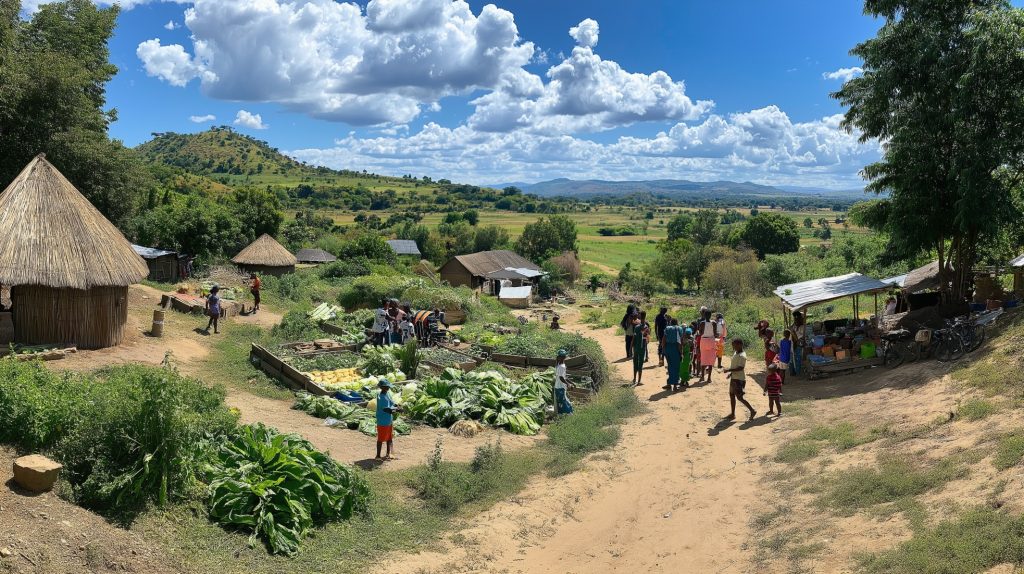
of community members reported feeling safer after landmine clearance.
Reported in the Mt Darwin evaluation. The published case study provides the findings and context.What changes for people when landmines are cleared from their communities?
Local data collectors held open conversations in local languages. A second round of data collection quantified the changes people described.
The HALO Trust uses the impact dashboard to explore findings across safety, health, livelihoods and education.
Read the HALO Trust case studyTell us about your programme or portfolio and the questions you need your evidence to answer.